Get Your Sumba Investment Brief
Tell us what you are exploring on Sumba. We reply on WhatsApp with an honest, candid brief — comparable land/villa opportunities, the ownership-structure routes that apply to foreigners, and the key risks to verify — and connect you to a vetted partner. We are an independent intelligence guide, not a broker, developer, or adviser.
What to Understand First
Before you look at a single plot, get the rules right. Foreigners cannot own Hak Milik (freehold) in Indonesia — and nominee shortcuts are illegal and risky. We lay out the legal structures, the title checks and the real costs, plainly.
Ownership Structures
Understand the routes →
Nominee Risk
Read the warning →
Due Diligence
How to verify →
Taxes & Fees
Know the costs →Opportunity & Numbers
Sumba is cheaper than Bali but early-stage and illiquid — figures here are indicative ranges to verify on the ground, never guarantees. We show what land and a build can realistically cost, and why rental yield is still emerging.
Land for Sale
See land →
Land Price Guide
See ranges →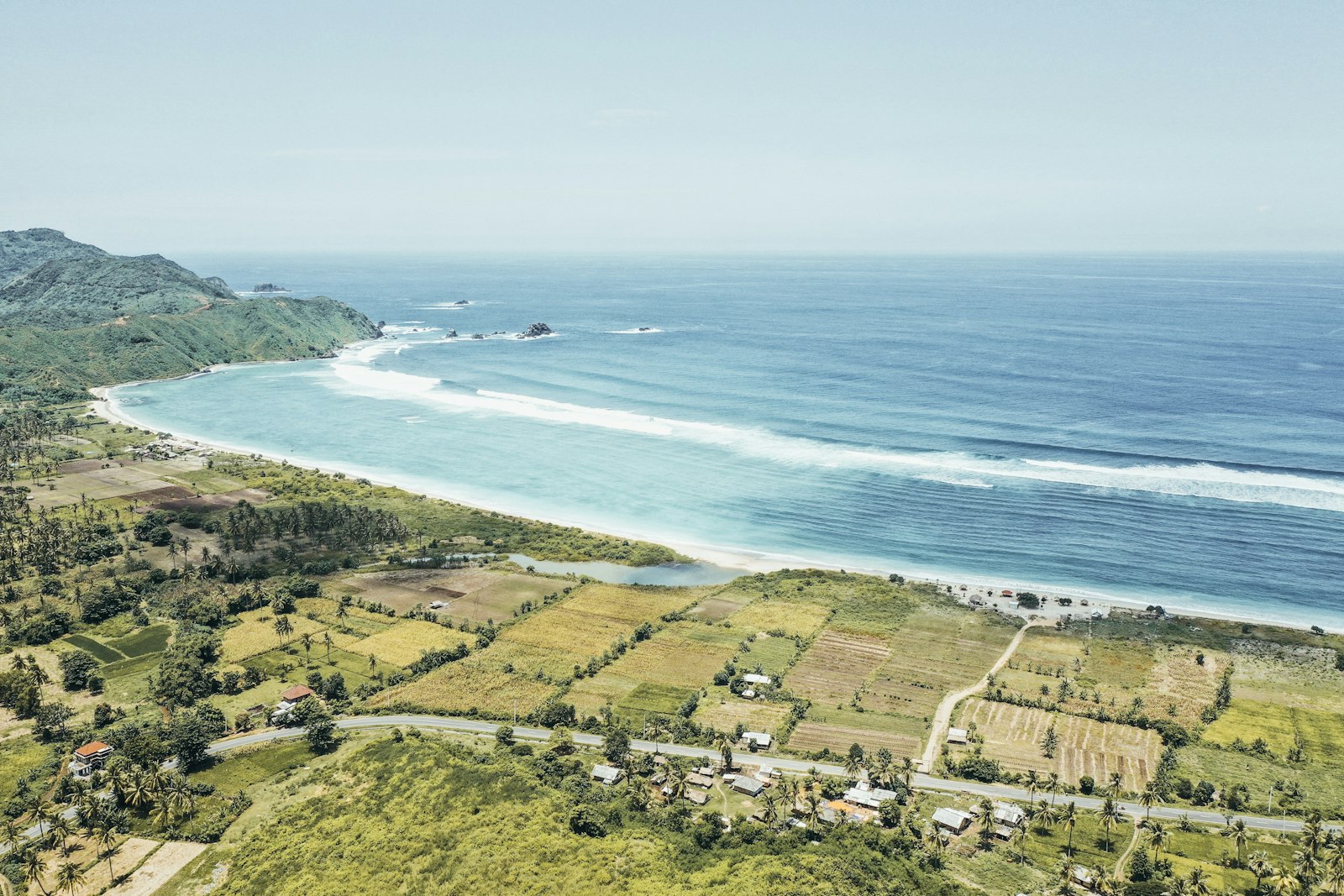
Build Cost
See costs →
Rental Yield Reality
Read the truth →Why Sumba Villa Investment
Independent Intelligence
We are an independent research guide, not a broker, developer or agent. We map opportunities and tell you the trade-offs — including the reasons to walk away.
Information, Not Advice
This is general information for due diligence, not investment, tax or legal advice. We never promise returns — always confirm with a licensed notary (PPAT) and counsel.
Foreign-Ownership Aware
Foreigners cannot hold freehold land in Indonesia. We explain the legal structures — leasehold, Hak Pakai, PT PMA — and why nominee arrangements are illegal and dangerous.
Vetted Partner
When you are ready, we route your enquiry to a vetted local partner and licensed notary. Our help is free; they may pay a referral fee at no extra cost to you.
How It Works
Free, no-obligation — three steps.
Tell us your goal
Land, a villa build, rental investment or just researching — with your budget band, ownership-structure question and timeline.
Get an honest brief + structure options
We come back with a candid brief, indicative ranges, the legal ownership routes that fit, and the real risks — no hard sell.
We connect you to a vetted partner & licensed notary
When you choose to proceed, we introduce a vetted local partner and a licensed notary (PPAT) to handle verification and the deal properly.
Sumba villa investment refers to the purchase or long-term lease of residential or hospitality property on Sumba Island, East Nusa Tenggara — an undertaking that sits firmly in frontier-market territory. Every other page you will find on this subject is published by someone selling land or villas. This one is not. We surface intelligence, not inventory, and that single fact changes everything you are about to read.
Before we go further, three statements the editorial desk requires on any piece touching property and money:
- This is general information only — not investment, tax, or legal advice.
- We never promise returns, approvals, or any specific outcome.
- Nothing on this page should substitute for a licensed Indonesian notary, PPAT, and qualified legal counsel reviewing your specific transaction.
With that established, let us get into what the data actually says.
Three Facts That Frame Every Sumba Property Decision
Investors who skip these three load-bearing truths tend to discover them the hard way, usually after a deposit has cleared.
1. Foreigners Cannot Own Freehold Land in Indonesia
Indonesia’s Basic Agrarian Law (UUPA No. 5/1960) reserves Hak Milik — the freehold title — exclusively for Indonesian citizens and certain Indonesian legal or religious entities. Any purported transfer of Hak Milik to a foreign national is legally void. This is not a grey area, a technicality, or something that a well-drafted contract can work around. It is the foundational constraint that shapes every foreign-buyer pathway.
2. The Common Sumba Route Is Leasehold — a Contract, Not a Title
When brokers advertise Sumba land to foreign buyers, what they are almost always selling is Hak Sewa: a contractual lease. The Basic Agrarian Law sets no statutory maximum term for Hak Sewa. In practice, leases run 25–30 years with contractual options to extend toward 70–80 years total. The critical word there is contractual. Extensions are not automatic, not registered as a land right, and not enforceable if the landowner defaults, dies insolvent, or sells the underlying title to a third party without proper safeguards. You do not own the land. You hold a contract that says you may use it.
3. Nominee Arrangements Are Illegal and Void
Putting Hak Milik in an Indonesian citizen’s name for a foreigner’s benefit — the so-called nominee structure — directly contradicts BAL Article 26(2), which is interpreted consistently across Indonesian practitioners to invalidate any direct or indirect transfer of freehold rights to a non-entitled party. Side agreements intended to give the foreigner control — loan arrangements, powers of attorney, trust declarations — are void and unenforceable. A foreigner relying on a nominee can lose all control with no court remedy, and the Indonesian nominee can face sanctions. A 2026 Bali regional regulation explicitly prohibiting nominee land transfers signals that regulatory scrutiny is intensifying, not relaxing. Anyone marketing a nominee structure as a clever workaround should be treated as a red flag, not a shortcut.
What Sumba Island Investment Actually Looks Like (Honestly)
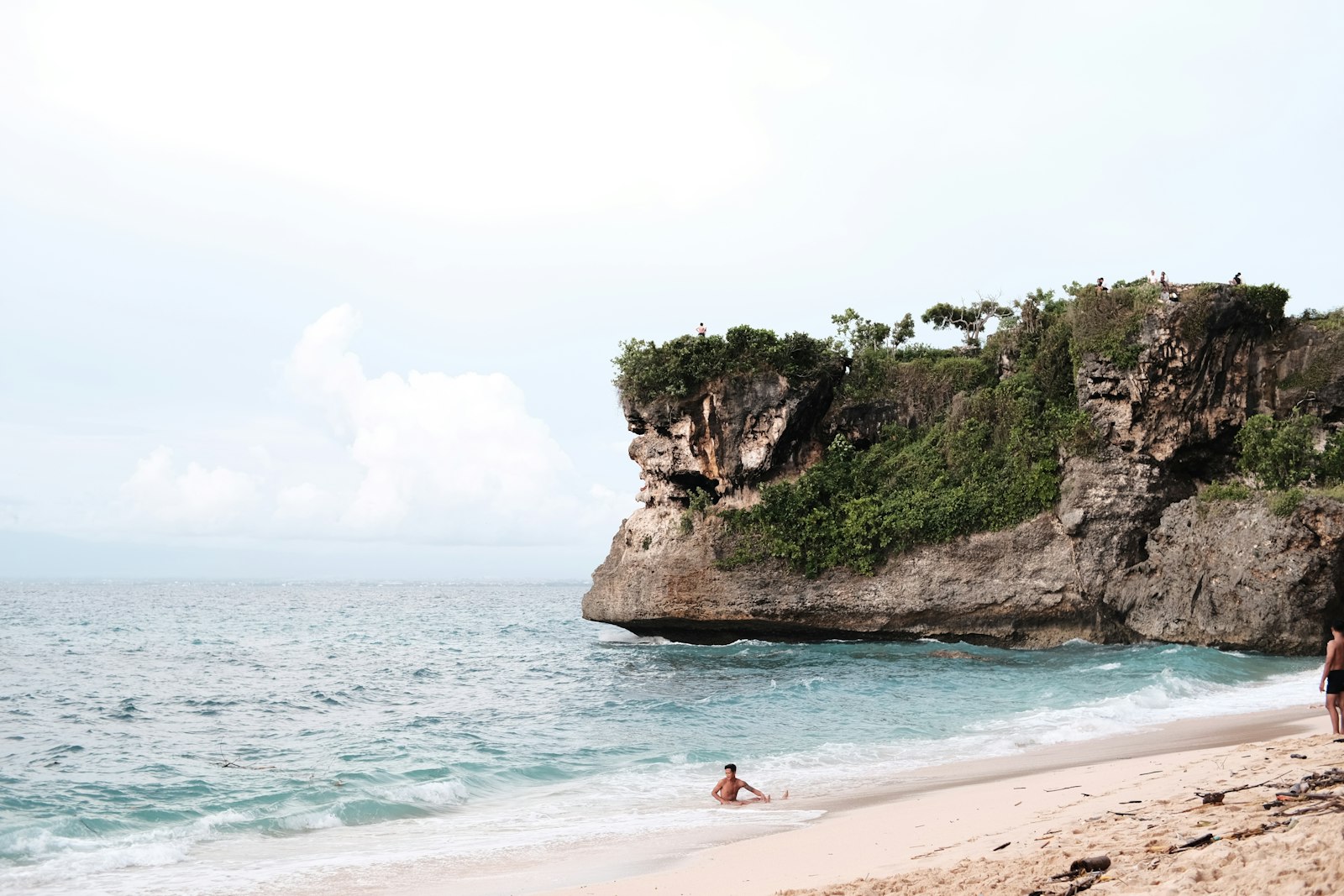
Sumba is a semi-arid island in eastern Indonesia where official land-use documents prioritise agriculture, not tourism infrastructure. It has two domestic airports — Tambolaka (TMC) in West Sumba, the main gateway for most beachfront land, and Umbu Mehang Kunda (WGP) in Waingapu, East Sumba — neither of which handles international flights. Getting here means a domestic transfer via Bali or Kupang, and the drive from Tambolaka to the resort belt near Wanokaka runs roughly two hours on roads that thin out considerably once you leave the main Waingapu–Waitabula spine.
The market that has formed around Sumba land is, at its core, a speculative land-appreciation play, not a stable rental-income proposition. Tourism is growing from an extremely low base. Real visitor demand concentrates near flagship resort areas — principally the Nihi Sumba precinct in West Sumba, which has driven most of the island’s international profile since Nihiwatu resort was founded in 1988 and later acquired and rebranded. Beyond that corridor, occupancy for standalone investor villas is thin, and there is no public data — no AirDNA-grade tracking, no reliable occupancy surveys — to underpin yield claims with any confidence.
Brokers market yield figures of 14–20% annually. These are developer projections, not realized returns from independently audited operating properties. No independent transaction database exists for Sumba. There is no equivalent of an official house-price index. Asking prices on listings are not the same thing as sale prices, and sale prices on a thin, illiquid island market tell you very little about what you could exit at in five or ten years. The honest characterization of this market is: early-stage, speculative, frontier. Some early buyers in emerging markets do well. Others wait years for an exit that never arrives at the price they expected. Both outcomes are plausible here, and anyone who tells you otherwise is selling something.
Legal Pathways: What Foreign Buyers Can Actually Use
Three structures are available, each with different risk, cost, and suitability profiles. A licensed notary and counsel who practice in East Nusa Tenggara should review whichever route you pursue — Indonesian property law has both national statutes and regional implementation details that vary.
Hak Sewa (Leasehold)
The most common route for individual foreign buyers on Sumba. Open to resident foreigners and foreign entities with an Indonesian representative. There is no statutory term cap under the Basic Agrarian Law; practical lease terms are typically 25–30 years with contractual extension options documented in the lease agreement itself. The total effective duration marketed on Sumba often cites 70–80 years when extensions are added — but these extensions depend entirely on the landowner’s future cooperation, solvency, and willingness to execute. Extensions should be clearly drafted and, where possible, secured by a deposit or pre-paid premium. The underlying Hak Milik stays with the lessor throughout. Key due-diligence point: confirm the lessor holds a clean, unencumbered title before signing anything.
Hak Pakai (Right to Use)
Available to foreigners who reside in Indonesia under a valid KITAS or KITAP, as well as PT PMAs and foreign legal entities with Indonesian representatives. Under Government Regulation 103/2015, the term structure is commonly cited as 30 years initial, extendable by 20 years, renewable by a further 30 years — up to 80 years total. This right attaches to one residential property and is intended for genuine residential use, not pure investment. The exact terms are regulation-dependent and have been updated by ATR/BPN ministerial rules; verify the current framework before relying on any figure you read online, including here.
PT PMA with HGB (Hak Guna Bangunan)
A foreign-owned Indonesian company (PT PMA) is explicitly eligible to hold HGB — a right to build — which is a more robust land right than a personal lease for development purposes. This is the preferred structure for hospitality and commercial projects. The investment plan threshold commonly referenced for PT PMA formation is around IDR 10 billion per business line, excluding land and buildings — this is an investment-law policy from BKPM/OSS and is subject to change; verify the current requirement. HGB terms are also regulation-dependent under GR 18/2021 and more recent ATR/BPN ministerial rules. Ongoing compliance obligations (licensing, tax reporting, employment law, annual reporting to BKPM/OSS) add cost and administrative overhead that many individual buyers underestimate.
| Structure | Who Can Use It | Typical Term | Key Risk |
|---|---|---|---|
| Hak Sewa (Leasehold) | Any foreign national or entity with Indonesian rep | 25–30 yrs + contractual extensions (often cited 70–80 yrs total) | Extensions are contractual, not automatic; lessor risk |
| Hak Pakai (Right to Use) | Foreigners resident in Indonesia (KITAS/KITAP); PT PMA | 30 + 20 + 30 yrs cited (up to ~80 yrs); regulation-dependent | Residential use only; one property limit; verify current ATR/BPN rules |
| PT PMA → HGB | Foreign-owned Indonesian company | 30 + 20 + 30 yrs cited; regulation-dependent (GR 18/2021) | Setup cost, IDR 10bn investment plan norm (verify); ongoing compliance |
| Nominee (Hak Milik in Indonesian name) | — | — | Illegal and void. Do not use. |
What Does Sumba Land Actually Cost? (Asking Prices, Not Transaction Data)
No public transaction database exists for Sumba property. What follows are ranges drawn from live listings and broker marketing materials as of mid-2026 — they are asking prices, subject to negotiation, and tell you nothing about what comparable parcels actually cleared at. Treat them as orientation data, not market benchmarks.
- West Sumba beachfront/clifftop land (leasehold listings)
- Approximately IDR 22–24 million per are (100 m²) on verifiable current listings. Some brokers market 1-hectare oceanfront parcels from roughly USD 95,000 — equating to about USD 9.50/m². [VERIFY: asking prices only, mid-2026]
- Bali hotspot benchmark (Uluwatu, Pererenan)
- USD 400–800+ per m² on comparable-quality beachfront or clifftop land. [VERIFY: mid-2026 asking prices]
- Gap between markets
- Conservative estimate: Sumba beachfront is marketed at 3–5× cheaper than Bali hotspot equivalents. Promotional claims of 10–20× cheaper are marketing estimates, not independently audited comparisons.
- Construction cost — Sumba
- No reliable island-wide survey exists. Bali mid-market reinforced concrete villa construction runs broadly USD 600–1,000/m² as a practitioner range. Remote Sumba is likely comparable or slightly higher per unit, with all-in costs (site roads, off-grid power, water supply, logistics) often running 10–30% above an equivalent Bali project — an inferential estimate, not a survey figure. Budget high contingency and commission a site-specific bill of quantities. [INFERENTIAL — no published Sumba survey]
One figure circulating online cites IDR 160–400 million per are for Sumba land. This appears inconsistent with all live listings we have reviewed and may be a misprint or misquote. We do not use it.
The Taxes You Will Pay (Information, Not Advice — Verify Locally)
Indonesian property taxes are structurally defined at the national level but administered and varied regionally. The rates below are the national framework as of mid-2026; always verify current rates and regional thresholds with a licensed Indonesian tax consultant before transacting.
- BPHTB (acquisition duty, paid by buyer): 5% × (transaction value minus the regional NPOPTKP threshold). The threshold is set regionally — minimum IDR 60 million under Law 28/2009, or IDR 300 million for inheritance and lineal gifts. Your notary/PPAT will calculate this before deed signing; it must be paid before the AJB (deed of sale) is executed.
- PBB (annual land and building tax): Effectively ~0.1% of assessed value on properties below IDR 1 billion, rising toward ~0.2% above that threshold, based on the 0.5% statutory rate applied to 20–40% of assessed value. PBB is now a regional tax and varies locally — treat these figures as illustrative. [As of mid-2026; verify with local government]
- Seller’s income tax on transfer: 2.5% of gross transaction value as a final income tax (PP 34/2016). If you are the seller at exit, this is your cost, not the buyer’s — but it is material when modelling net exit proceeds.
- Rental income tax: Practitioner sources in Bali cite 10% for residents and 20% for non-residents, but no national statutory citation has been confirmed for this rate. The 20% figure may derive from general withholding tax rules on Indonesia-sourced income and may be subject to tax-treaty modifications. Treat these figures as indicative starting points only and confirm with a registered Indonesian tax professional before calculating any rental income model. [UNVERIFIED statutory basis — strong caveat warranted]
- Capital gains: Indonesia does not levy a separate capital gains tax on real property. The seller’s 2.5% final income tax on gross proceeds is the primary exit tax; it applies to the sale price, not the net gain, which matters when margins are thin.
Sumba-Specific Risks Every Buyer Must Understand
This section covers risks that general Bali-centric property guides rarely address, because Sumba has distinct characteristics that matter.
Adat (Customary) Land and Clan Rights
Sumba has deep traditions of communal land governance. Land in many areas is held by extended family or clan groups under customary Marapu law, not individual title. A seller may hold a certificate — or appear to hold one — while the underlying communal rights are disputed or unresolved. Formal title does not always track customary reality on the ground. Land sold without proper consultation and consent from the relevant clan can trigger protracted disputes, protests, and enforcement actions years after a transaction closes. This risk is not theoretical: documented land conflicts between investors and local adat communities in coastal West Sumba have been reported in Indonesian media and NGO literature. Before signing anything, commission independent local legal counsel — not the broker’s recommended notary — to investigate the customary status of the specific parcel.
Title Integrity and BPN Verification
The systemic rural-Indonesia risks of double certificates, boundary disputes, and fraudulent title chains are present and heightened by weaker land-registry mapping coverage in NTT compared to Bali or Java. The mandatory pre-transaction check is a formal request for the “informasi data fisik dan yuridis” (land-book extract) at the BPN (national land office) for the specific parcel. This confirms the certificate is registered, who the recorded owner is, and whether any encumbrances appear in the land book. It does not guarantee the physical boundaries or rule out adat disputes — you need an independent licensed surveyor for the former and a local-knowledge legal review for the latter.
Zoning: RTRW, Green Zones, and Coastal Setbacks
Every parcel in Indonesia sits within a spatial plan (RTRW — Rencana Tata Ruang Wilayah) set at provincial and regency levels. Beachfront and clifftop land that photographs beautifully may be designated for agriculture, conservation, or as protected LP2B (Sustainable Food Agricultural Land) where construction is prohibited or severely restricted under Law 41/2009. No publicly searchable LP2B polygon map for specific Sumba villages has been confirmed — you must request the current zoning classification from the relevant regency Bappeda or Dinas PUPR before purchase. Coastal setback rules apply nationally, with local variation; a figure cited in one developer FAQ is a single-source unverified claim, not confirmed law. Confirm setback requirements with Dinas PUPR or BPN before designing any structure near the coast.
Liquidity and Exit Risk
The secondary buyer pool for Sumba property is small. There is no active resale market of any depth, no established network of buyer agents running buyers through Sumba listings, and limited appetite from Indonesian banks to finance purchases here. If your circumstances change and you need to exit — whether at year three or year eight — you are likely to find that price discovery is slow, the buyer universe is thin, and achieving your target price requires patience that illiquid markets do not always reward. Sumba is not the right market for capital you cannot afford to have locked up for an indefinite period.
Infrastructure: What “Remote” Actually Means
The main road spine between Waingapu, Waitabula, and Tambolaka is paved and serviceable. Many of the beachfront and clifftop parcels marketed to investors are not on that spine. Getting materials to a remote coastal site may require graded tracks to be cut, and logistics costs can add substantially to build budgets. Reliable grid electricity does not extend to many remote coastal areas — solar, battery, and generator hybrid systems are the realistic answer, not a luxury add-on. Piped water supply does not exist; investors self-provide wells, boreholes, storage, and treatment. These are costs that belong in your feasibility model from day one.
If you want an honest second opinion on a specific opportunity — land, lease terms, or proposed legal structure — use our enquiry form or reach us directly via WhatsApp at 6281128590000. We will tell you what we see, refer you to one vetted licensed partner if that is useful, and disclose that if you proceed with that partner they may pay us a referral consideration — at no extra cost to you. No one can pay us to change what we publish.
West Sumba vs East Sumba: Where the Investment Logic Differs
These are not interchangeable markets. West Sumba holds most of the current investor activity and most of the speculative price momentum, driven primarily by the Nihi Sumba effect: the ultra-luxury resort in the Wanokaka area that has been ranked among the world’s best and has functioned as the proof-of-concept for high-end foreign tourism to the island. Land within plausible proximity to that demand cluster carries a demonstrably different risk profile than land in East Sumba’s agricultural interior. Tambolaka airport in West Sumba is the access point that makes western beach parcels commercially viable at all — that ~60-minute domestic connection from Bali is thin but functional.
East Sumba has Waingapu and its own airport, and its appeal is different: Marapu cultural heritage, the megalithic tomb villages, the ikat weaving tradition. The surf market, which has driven much of the coastal-land demand in West Sumba, barely exists in the east. East Sumba commercial hospitality is at an earlier stage still. Investors drawn to the east are usually buying at lower prices and holding a longer, less certain thesis.
The Buying Process in Outline
This is a simplified overview. It does not substitute for proper legal guidance on your specific transaction.
- Parcel identification and basic screening: Confirm the exact certificate number, registered holder, and land category (Hak Milik, HGB, etc.) before any further commitment.
- BPN land-book verification: Request the informasi data fisik dan yuridis at the local BPN office. Check for encumbrances, confirms registered ownership.
- Independent boundary survey: Commission a licensed surveyor — not the seller’s agent — to physically verify boundaries and that the parcel matches the certificate description.
- Zoning and customary-rights review: Confirm RTRW zoning with Bappeda or Dinas PUPR. Commission independent local legal counsel to investigate adat/customary status and any documented community claims.
- Lease/agreement drafting: Engage a licensed notary (who must also be a PPAT if a formal deed is to be executed) in East Nusa Tenggara. The notary verifies identity, ownership, encumbrances, and confirms that relevant taxes are settled before the deed is signed.
- BPHTB payment: Acquisition duty must be paid before the AJB (deed of sale) or lease deed is executed.
- BPN registration: The notary/PPAT submits the executed deed for registration at BPN. For a leasehold, the lease should be noted on the relevant certificate where possible.
A Word on This Guide and How We Work
The Sumba villa investment guide you are reading is the only independent buyer-intelligence resource for this island that is not published by a seller of land or villas. We do not hold inventory. We do not take listings fees. We do not earn more if you pay a higher price.
We do offer, on request, an introduction to one vetted licensed partner for legal, notarial, or sourcing work. If you use that introduction and proceed, that partner may pay us a referral consideration — at no additional cost to you. That is the full disclosure. It does not change what we write, and it does not restrict us from publishing unflattering facts about this market, because we just did.
To start a no-obligation conversation: reach us via our enquiry form or WhatsApp at 6281128590000, or by email at [email protected]. We respond to genuine enquiries, and we will tell you plainly if what you are considering looks solid or looks shaky.
Frequently Asked Questions
Can foreigners buy property in Sumba?
Foreigners cannot hold Hak Milik (freehold) in Sumba or anywhere in Indonesia — that right is reserved for Indonesian citizens under the Basic Agrarian Law. The options available to foreign buyers are Hak Sewa (a long-term contractual lease, typically 25–30 years with extension options), Hak Pakai (right of use, available to foreigners residing in Indonesia on KITAS/KITAP for one residential property), or holding land through a foreign-invested Indonesian company (PT PMA) under HGB. Each has different legal requirements and risk profiles. A licensed notary and counsel practicing in East Nusa Tenggara should advise on which applies to your situation.
What are typical Sumba leasehold land prices?
Based on verifiable listings as of mid-2026, West Sumba beachfront and clifftop land is marketed at roughly IDR 22–24 million per are (100 m²), with some brokers advertising 1-hectare oceanfront parcels from approximately USD 95,000. These are asking prices from listings, not transaction data — no public transaction database exists. Prices vary significantly by location, infrastructure access, zoning status, and the specific nature of the underlying title. Always treat any figure as a starting point for negotiation and due diligence, not a market benchmark.
Are Sumba villa rental yields of 18–20% realistic?
Developer projections of 14–20% annual ROI circulate widely in Sumba property marketing. These are not verified from independently audited, operating properties. No public occupancy data exists for Sumba at the scale that would support a reliable yield model — no AirDNA-equivalent coverage, no independently published occupancy surveys. Real visitor volumes on the island remain a fraction of Bali or Lombok, and rental demand outside the established resort corridors is thin and unproven. Conservative underwriting should assume a long ramp-up period, uncertain occupancy, and no reliable comparable to validate projections. Do not commit capital expecting those percentages to materialize on schedule.
What is the biggest legal risk specific to Sumba property purchases?
Beyond the general Indonesian foreign-ownership constraints, the risk most specific to Sumba is adat (customary) land. Much of the island’s land is held under customary clan rights that may not be fully captured in a formal BPN certificate. A property can carry a certificate while the underlying customary claims remain unresolved or disputed. Land sold without proper customary consent can result in community protests, enforcement actions, and protracted legal disputes well after closing. Independent local legal counsel — not the broker’s recommended notary — should investigate the customary status of any specific parcel before you sign anything.
How do I find a reliable notary or PPAT for a Sumba property transaction?
PPAT (Pejabat Pembuat Akta Tanah) are licensed by and registered with BPN — Indonesia’s national land office. For a Sumba transaction, you want a notary who is also a registered PPAT practicing in the relevant regency in East Nusa Tenggara, ideally with verifiable experience in the area where the land sits. The PPAT is responsible for drafting and executing the AJB (deed of sale or lease deed), verifying title, confirming encumbrances are clear, and ensuring acquisition taxes are paid before signing. We can introduce one vetted partner upon request — reach us via our enquiry form or WhatsApp at 6281128590000.